
Cart is empty
11 Aug 2026
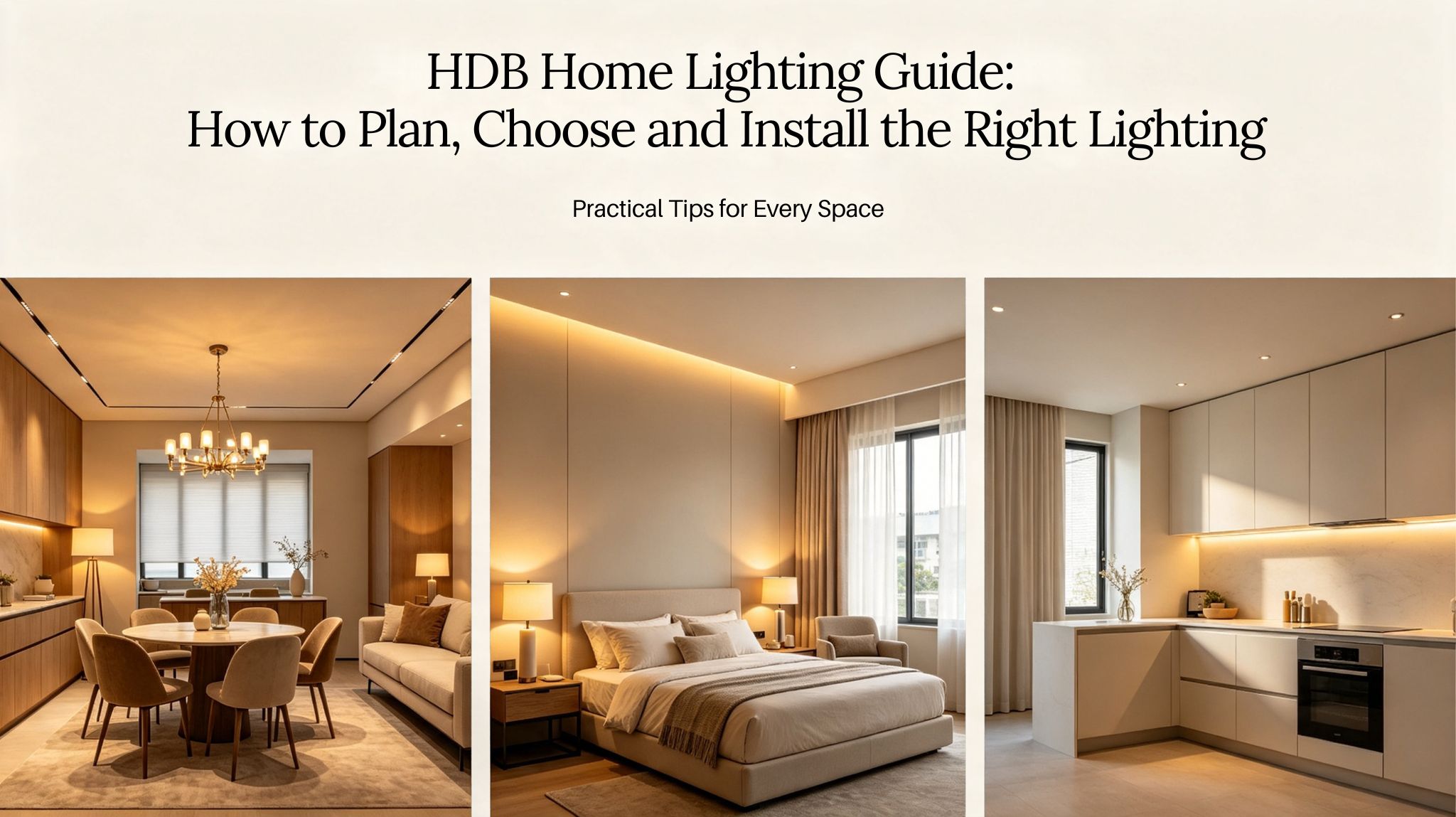
Lighting plays a much bigger role in your home than simply making a space brighter. The right lighting can completely change the atmosphere, highlight your interior design, and improve the functionality of every room.
When planning your new home renovation, choosing the right lighting should not be an afterthought. There are many factors to consider, including lighting types, colour temperature, placement, installation requirements, and energy efficiency.
A well-designed lighting plan combines different lighting layers to create a comfortable and practical living environment. In this guide, we will walk you through everything you need to know about home lighting, from planning your design to choosing the right lighting solutions for different areas of your home.
Home Lighting Design: Where Should You Start?
Before purchasing lights, it is important to plan your lighting layout carefully.
Many homeowners focus only on the appearance of the light fixture, but good lighting design is about more than choosing a beautiful lamp. The position, brightness, colour temperature, and purpose of each light should match how you use your space.
A good lighting plan should consider:
- The size and layout of your home
- Natural sunlight entering each room
- Furniture placement
- Interior design style
- Daily activities and lifestyle needs
Working With an Interior Designer
If you engage an interior designer for your renovation, lighting planning is usually included as part of the overall design process.
An experienced designer can help you combine different lighting types to create a balanced look. They will consider your preferred style while recommending suitable lighting positions, colours, and designs that match your home concept.
For example:
- Warm lighting can create a cosy atmosphere in bedrooms and living areas
- Accent lighting can highlight feature walls or decorative elements
- Task lighting can improve visibility in work areas such as kitchens and study rooms
Working With a Renovation Contractor
If you work directly with a renovation contractor, homeowners usually need to have a clearer idea of their lighting requirements.
A renovation contractor will follow your selected design and installation requirements, so early planning is important.
Before installation, consider:
- Where you want your main lights
- Whether you need additional lighting points
- Whether you require dimming functions
- Whether you want smart lighting control
- How lighting will coordinate with carpentry and ceiling works
Planning your lighting early can help avoid additional hacking or modification costs later.
Understanding the Different Types of Home Lighting
Most homes use a combination of three main lighting types:
- Ambient Lighting
- Task Lighting
- Accent Lighting
Each type serves a different purpose, and combining them creates a more comfortable and functional space.
1. Ambient Lighting (General Lighting)
Ambient lighting is the main source of illumination in a room. Its purpose is to provide comfortable overall brightness throughout the space.
Common ambient lighting includes:
Ceiling Lights
Ceiling lights are the most common choice for general home lighting. They provide even illumination and are suitable for living rooms, bedrooms, and common areas.
Cove Lighting
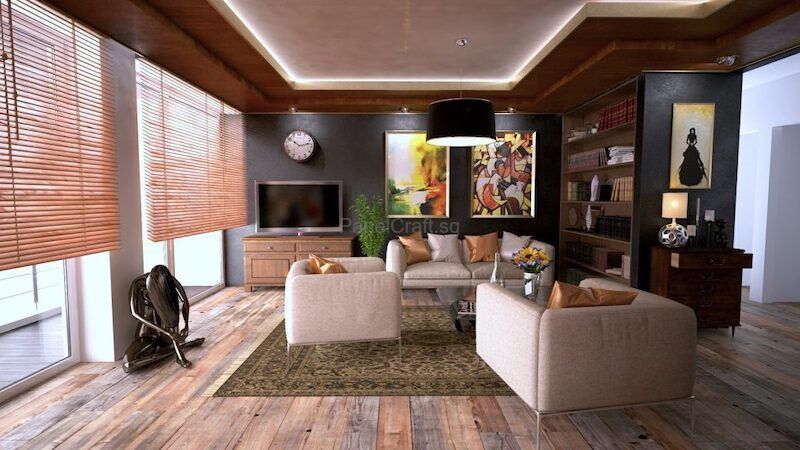
Cove lighting creates indirect lighting by hiding the light source inside a ceiling or wall feature.
Instead of shining directly downward, the light reflects softly against the surrounding surfaces, creating a more relaxing and premium atmosphere.
Modern solutions such as coveless lighting systems can achieve a similar architectural effect with a slimmer design.
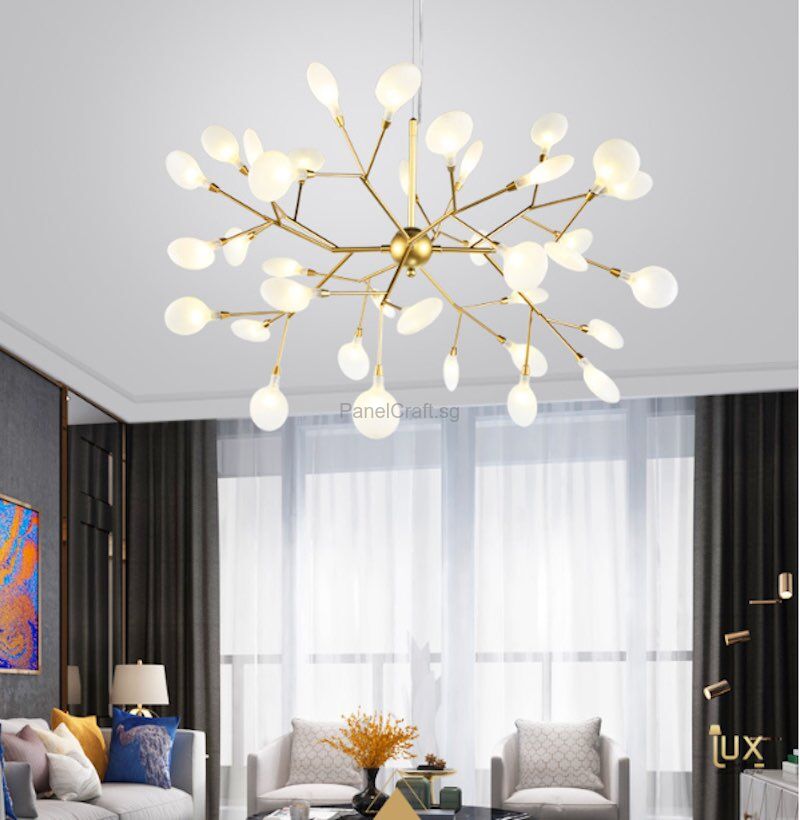
Chandeliers
Chandeliers add decorative value while providing ambient lighting. They are commonly used above dining tables or in living areas to create a statement feature and enhance the overall interior design.
Floor Lamps
Floor lamps provide flexibility because they can be moved easily. They are often used to create additional soft lighting in living rooms, reading corners, or bedrooms.
2. Task Lighting (Focused Lighting)
Task lighting is designed for specific activities that require stronger and more focused illumination.
Unlike ambient lighting, task lighting concentrates light on a particular area.
Common examples include:
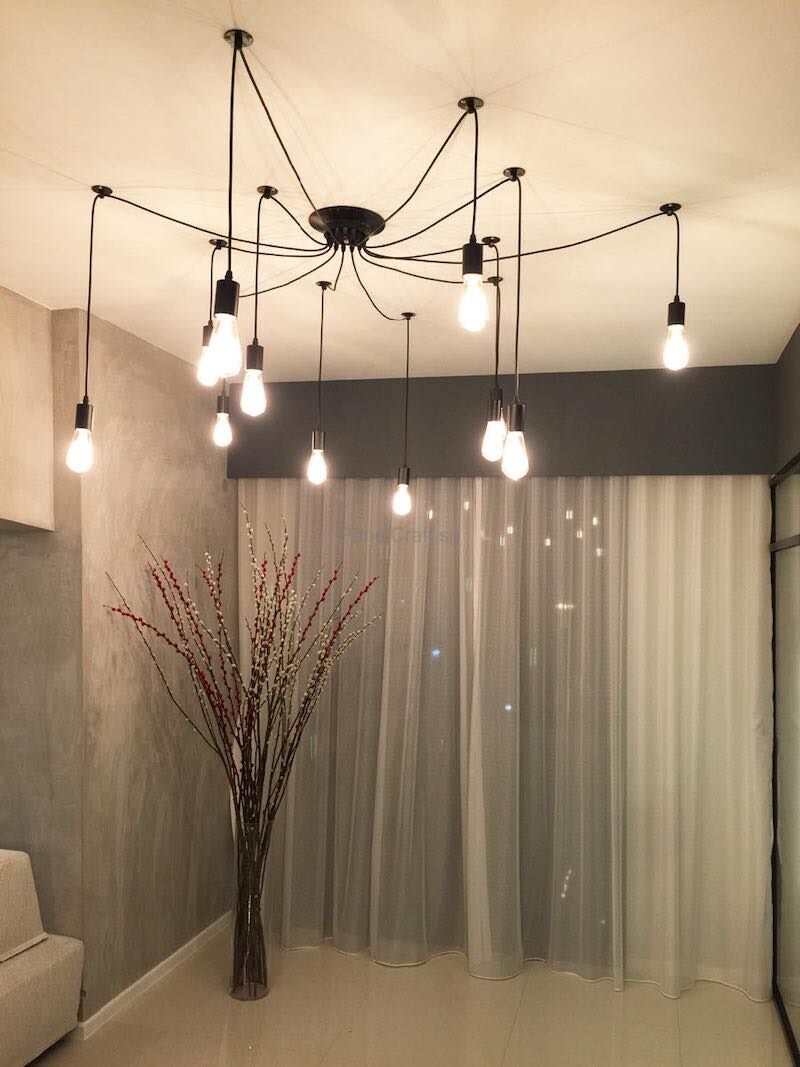
Pendant Lights
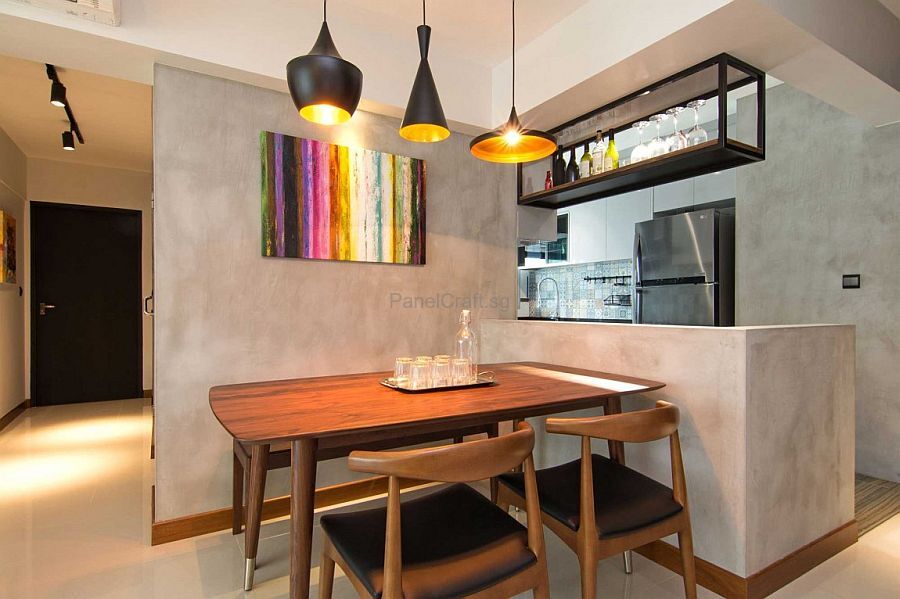
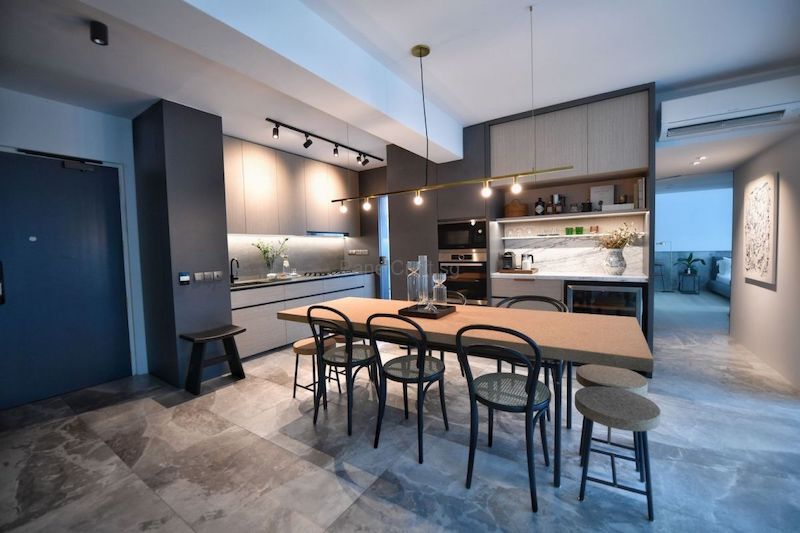
Pendant lights are commonly used above dining tables, kitchen islands, or counters. They provide focused lighting while also adding decorative value.
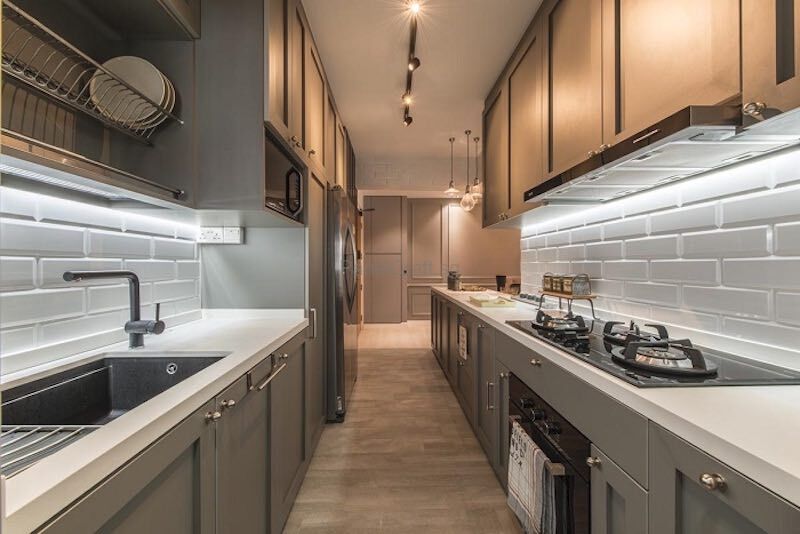
Under Cabinet Lighting
Under cabinet lighting is useful in kitchens because overhead lights may create shadows when preparing food.
Installing LED lighting under cabinets helps improve visibility and makes daily tasks easier.
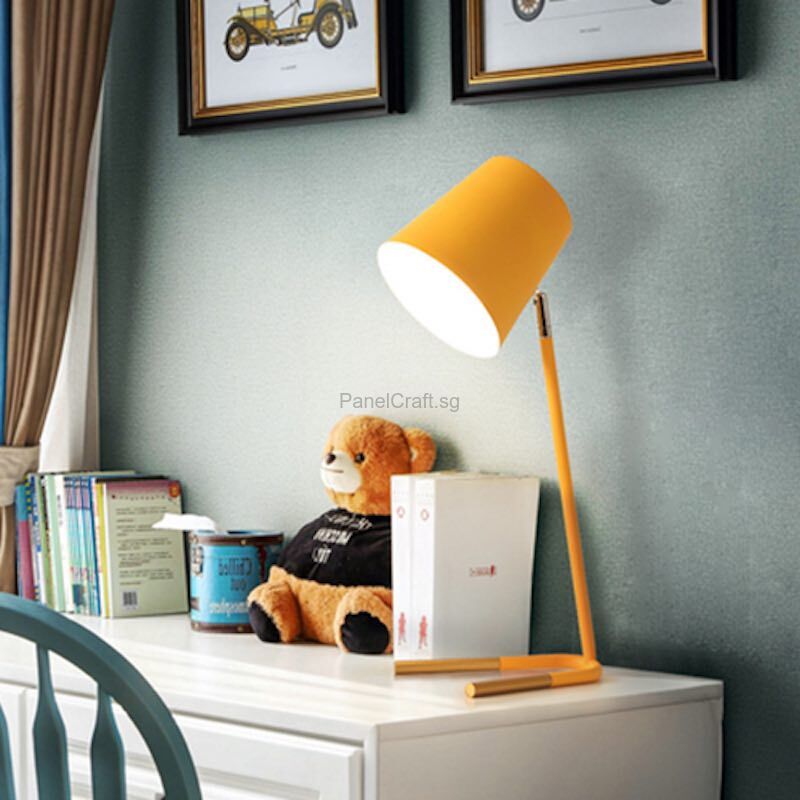
Desk Lamps
Desk lamps are suitable for study areas, home offices, and reading spaces where focused lighting is required.
3. Accent Lighting (Decorative Lighting)
Accent lighting is used to highlight specific areas or design features in your home.
It adds depth and creates a more interesting visual experience.
Common accent lighting includes:
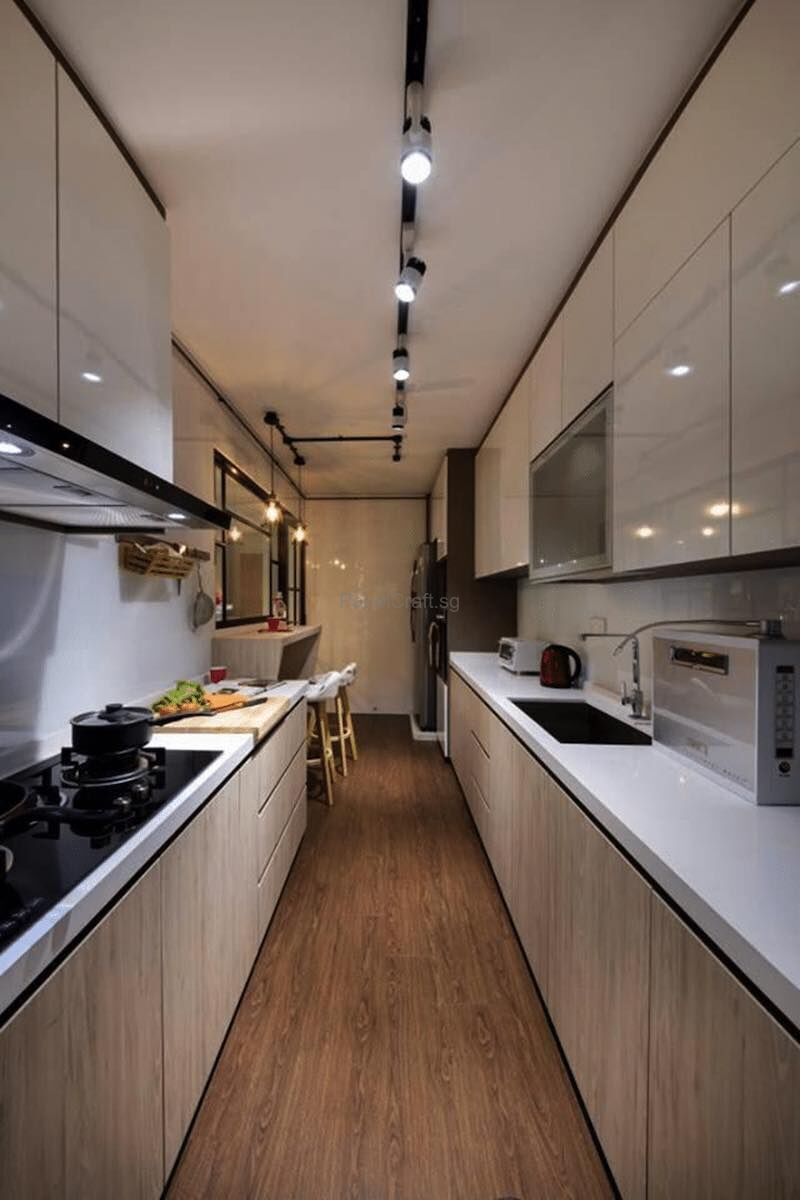
Track Lights
Track lighting is commonly used to highlight:
- Artwork
- Display shelves
- Feature walls
- Decorative items
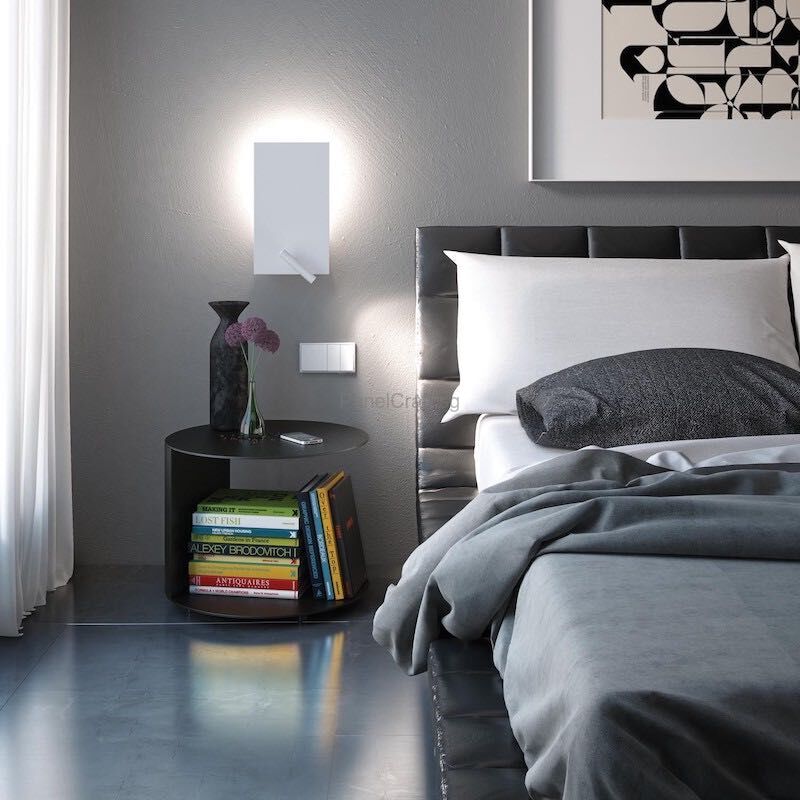
Wall Lights
Wall-mounted lights can create a stylish hotel-inspired look, especially in bedrooms and corridors.
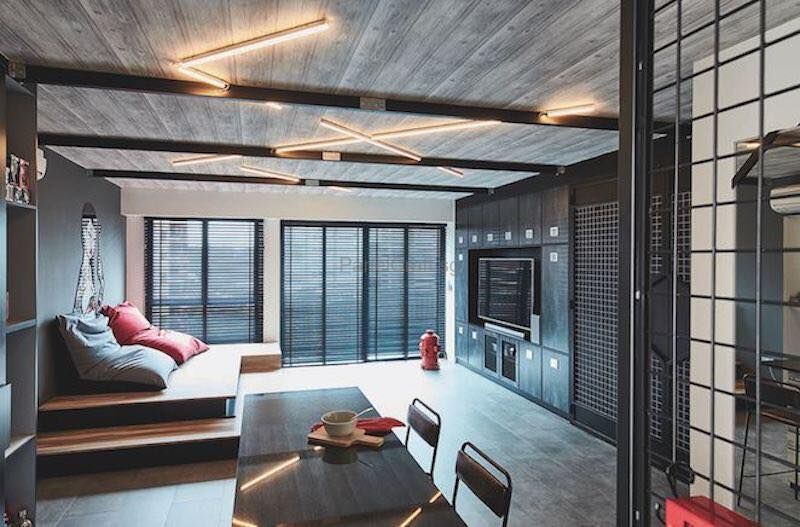
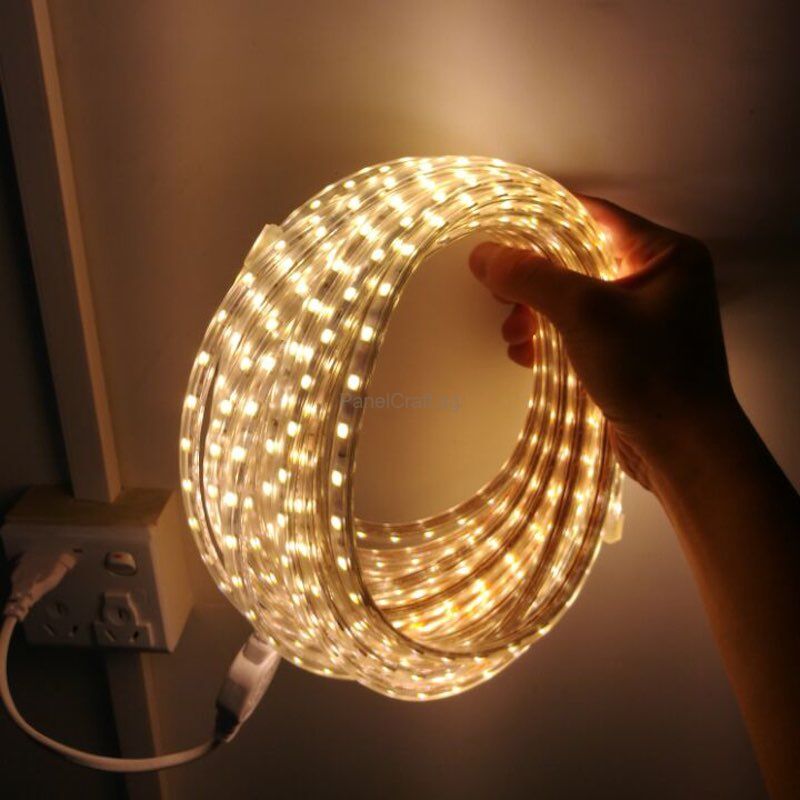
LED Strip Lighting
LED strips are flexible lighting solutions that can be installed in various areas such as:
- TV consoles
- Ceiling details
- Wardrobes
- Shelves
Feature walls
Choosing the Right Light Bulb
Choosing the correct bulb is just as important as selecting the light fixture.
Two important factors to consider are:
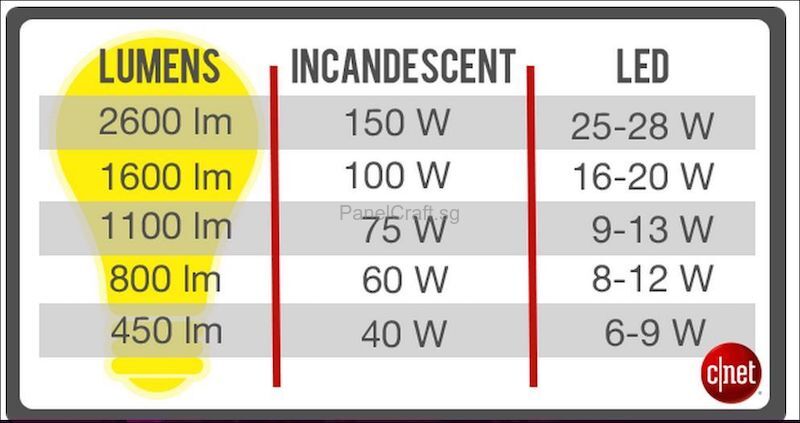
Brightness (Lumens)
Lumens measure the brightness of a light source.
Higher lumen ratings provide brighter illumination.
For example:
- Task areas require brighter lighting
- Ambient lighting usually requires softer illumination
- Accent lighting depends on the design effect you want to create
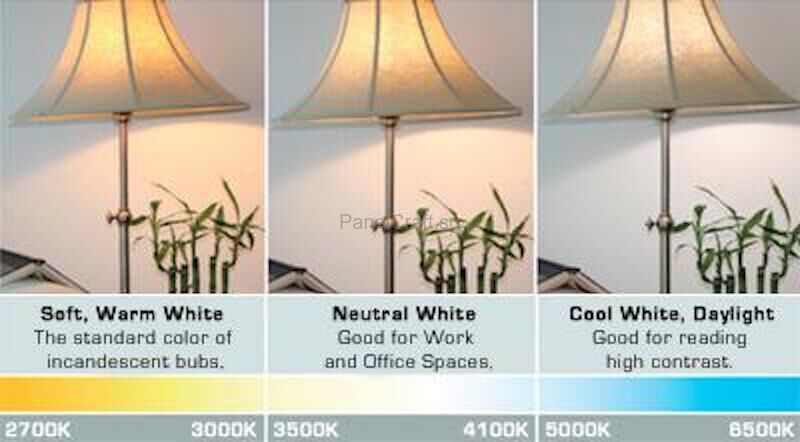
Colour Temperature
Colour temperature affects the mood and appearance of your space.
Common options include:
Warm White
Creates a cosy and relaxing atmosphere.
Suitable for:
- Bedrooms
- Living rooms
- Dining areas
Cool White
Provides a cleaner and brighter appearance.
Suitable for:
- Kitchens
- Work areas
Daylight
Provides a natural bright effect.
Suitable for:
- Bathrooms
- Areas requiring clearer visibility
Lighting Requirements for Different Areas of Your Home
Every room serves a different purpose, so lighting should be planned according to how the space is used.
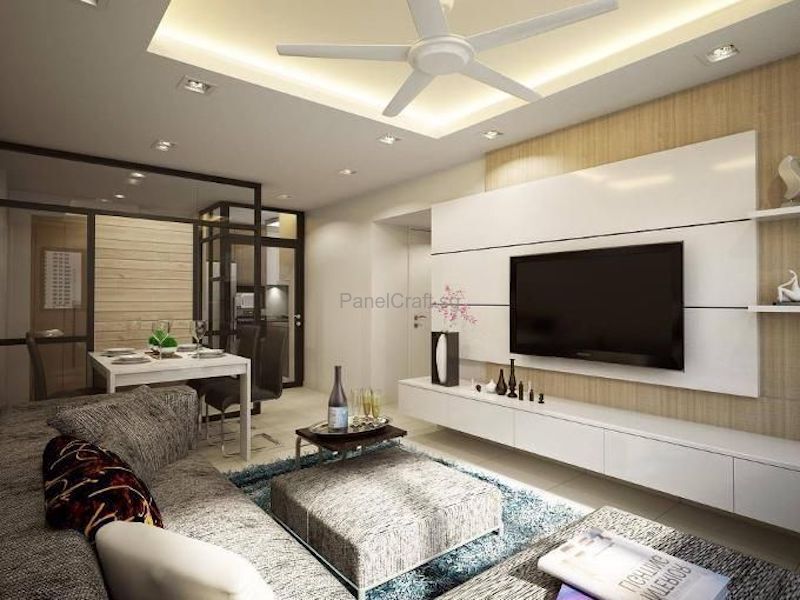
Living Room Lighting
The living room is usually the most versatile area in a home.
It may be used for:
- Watching television
- Entertaining guests
- Relaxing
- Reading
A combination of lighting works best:
- Ambient lighting for overall brightness
- Accent lighting for feature walls
- Task lighting for reading areas
If you have a TV feature wall, display shelves, or artwork, accent lighting can help highlight these design elements.
Bedroom Lighting
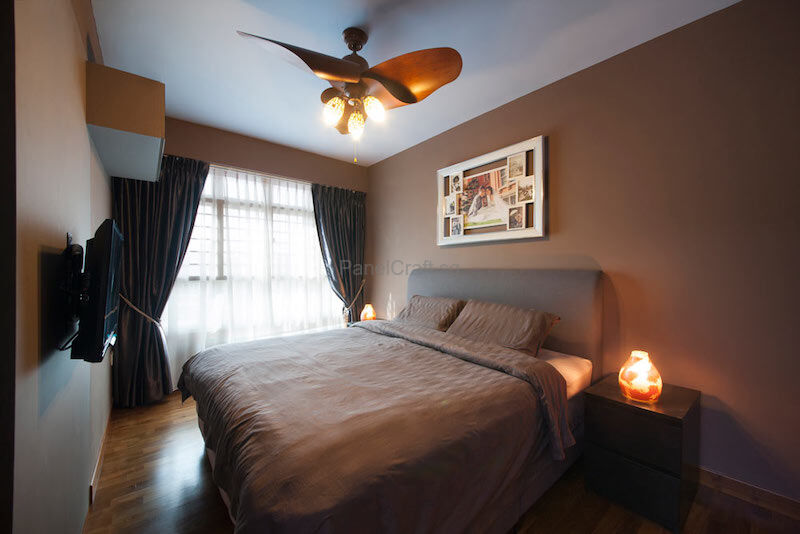
Bedrooms require softer and more comfortable lighting.
Recommended options:
- Warm lighting
- Bedside lights
- Dimmable lighting
- Indirect lighting
Having adjustable brightness allows you to create a relaxing environment before sleeping while still providing sufficient brightness when needed.
Bathroom Lighting
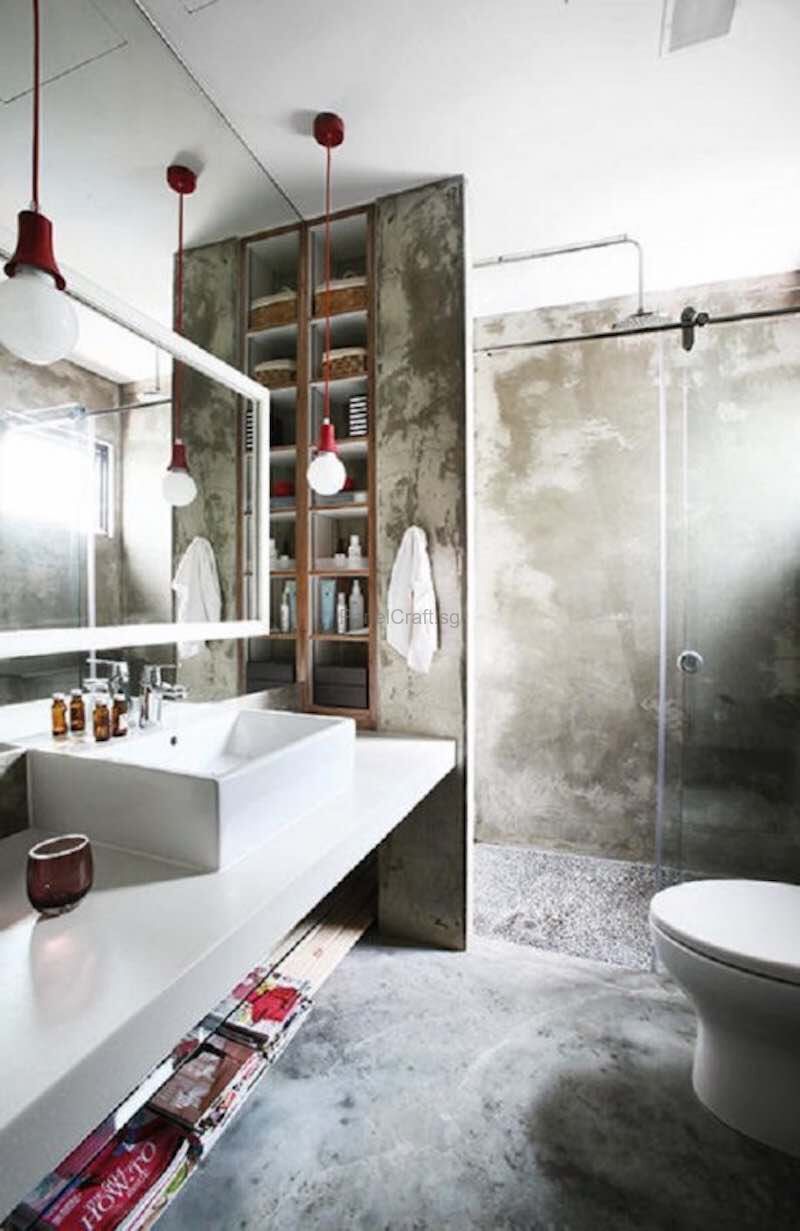
Bathroom lighting should provide enough brightness for daily activities such as:
- Grooming
- Makeup
- Shaving
- Showering
Mirror lighting is especially important because overhead lighting may create unwanted shadows.
A combination of general lighting and focused mirror lighting provides better visibility.
Kitchen Lighting
The kitchen requires practical lighting because it is an active working area.
Important areas to illuminate include:
- Kitchen countertop
- Island area
- Cooking area
- Cabinet interiors
Under cabinet lighting is especially useful because it reduces shadows while preparing food.
Consider Lighting During Renovation Planning
Lighting should be planned early during renovation, especially before:
- Ceiling works
- Electrical installation
- Carpentry works
- Painting
Late lighting changes may require additional wiring work, drilling, or surface repairs.
Planning ahead helps achieve a cleaner finish and avoids unnecessary costs.
Conclusion: Creating the Perfect Home Lighting Design
Good lighting is not only about brightness. It is about creating the right atmosphere, improving functionality, and enhancing your home's overall design.
By combining ambient lighting, task lighting, and accent lighting, you can create a comfortable space that matches your lifestyle.
Whether you are renovating a new HDB, condominium, or landed property, proper lighting planning can make a significant difference in the final appearance and experience





WhatsApp
×